What We Do

Through interconnected themes, we aim to create solutions that foster equality and sustainability for all individuals with disabilities.

Gender-based Violence

We are committed to ending all forms of gender-based violence against women with disabilities. With funding from the Ford Foundation, we conducted nationwide research to understand the drivers of violence against women with disabilities. We are using this data to engage stakeholders and design solutions to address the challenges, particularly intimate partner, tech-based, sexual, and physical-based violence

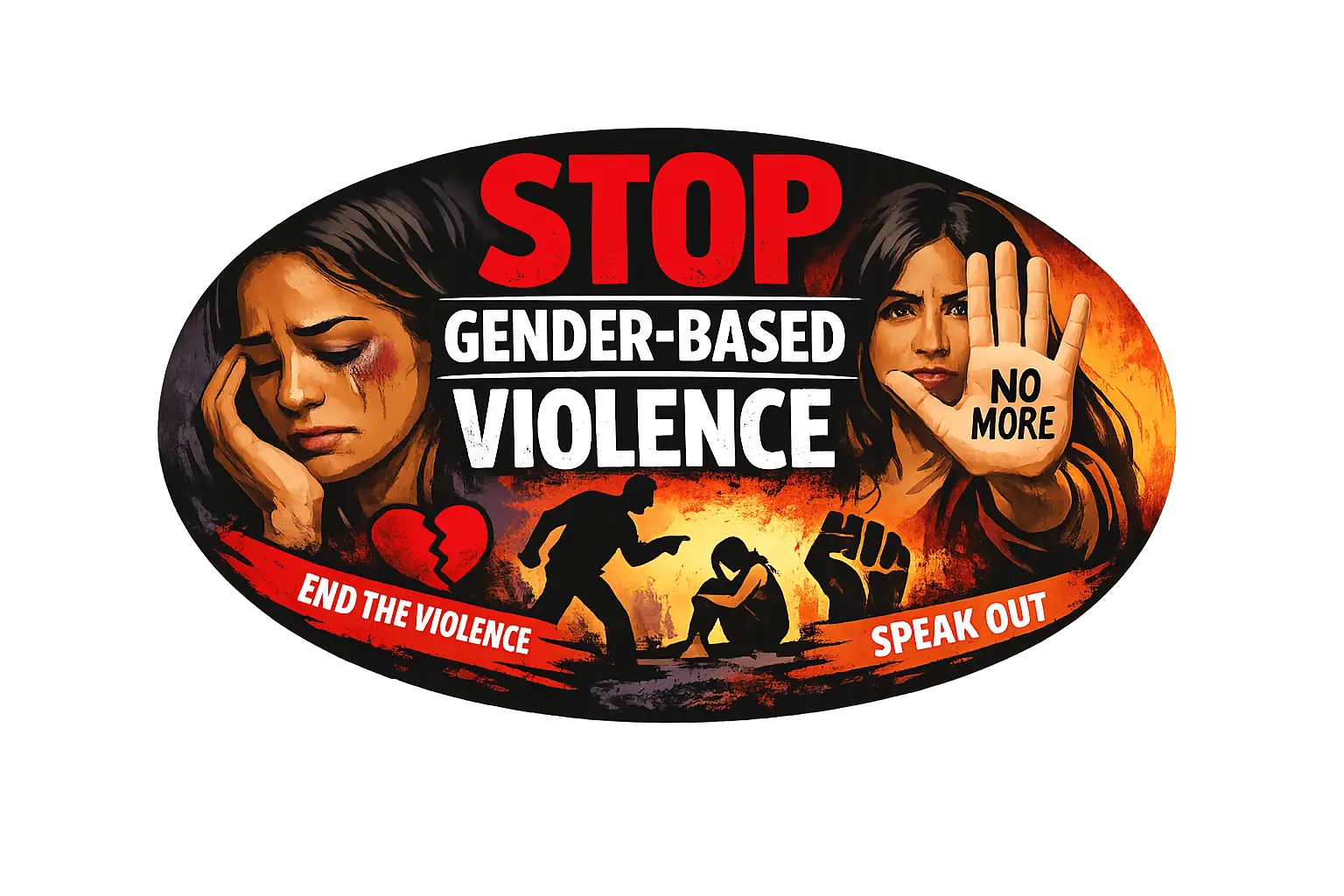
Awareness poster against gender-based violence. The poster shows a distressed woman with visible injuries, another woman holding up her hand with the words "No More," and silhouettes depicting violence and a victim. Prominent text reads "Stop Gender-Based Violence," with additional messages "End the Violence" and "Speak Out."
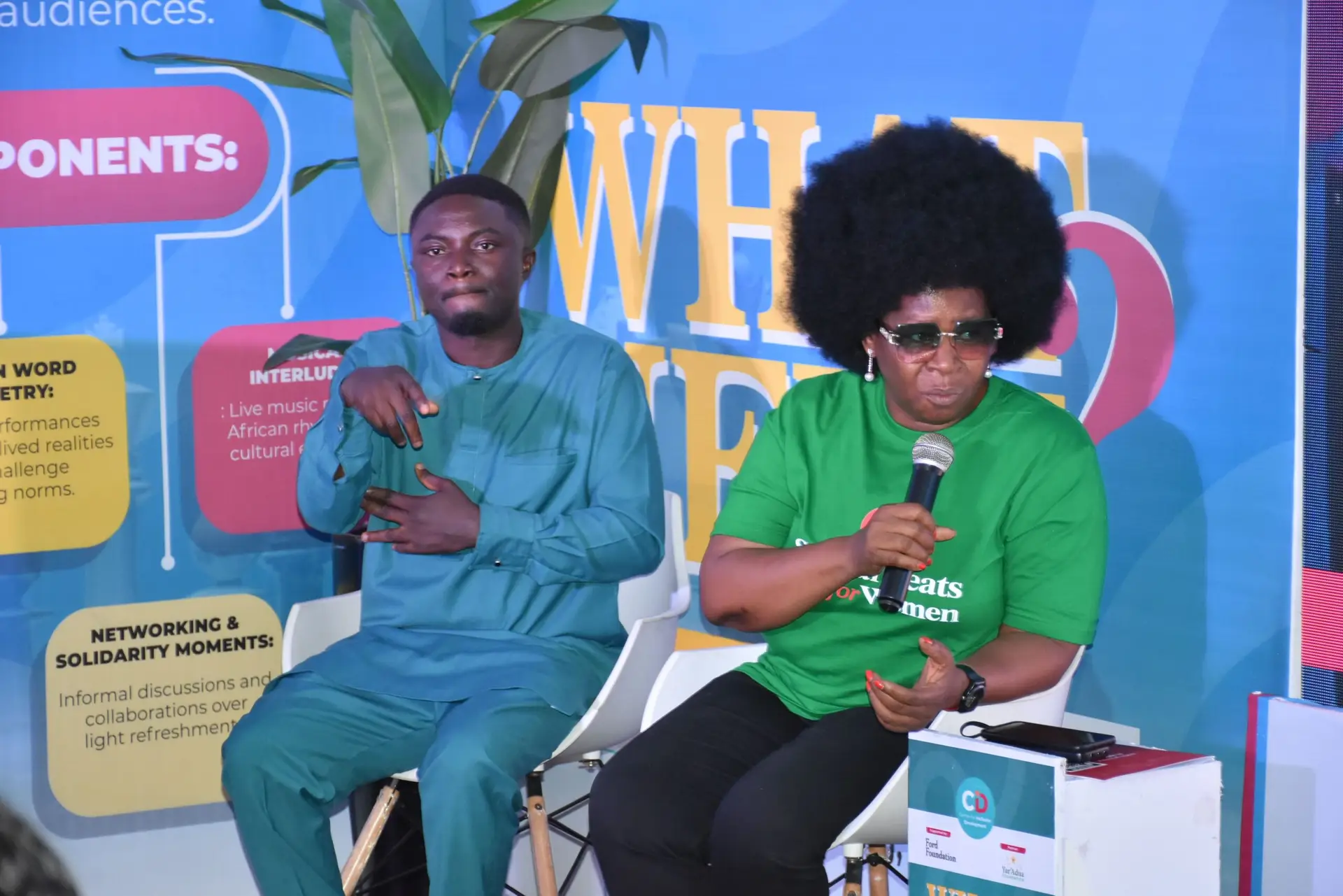
Woman in a green shirt speaks into a microphone at an event while a sign language interpreter sits beside her. Both are seated on a stage in front of an event backdrop featuring programme information.

Disability accessibility

Accessibility of physical and digital infrastructures is key to driving meaningful participation of people with disabilities in society. We technically contributed to the development of the National Accessibility Regulations for physically built infrastructure in Nigeria, and we are committed to ensuring similar regulations are available for digital infrastructure. We have conducted accessibility audits for several organisations in the private and public sector.

Economic inclusion

With funding from the Disability Rights Fund, we gathered data on how to make the financial and procurement system inclusive of people with disabilities in Nigeria. The Central Bank of Nigeria had adopted one of our recommendations in its directives to financial service providers on the deployment of automated teller machines and debit cards. Our commitment to reducing inequality and promoting economic opportunities is much pronounced in our program strategy.

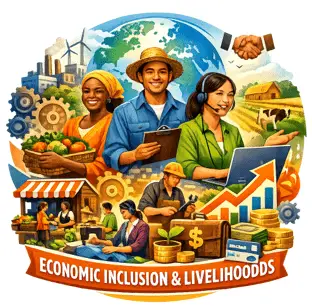
Illustration of people engaged in farming, business, digital work and entrepreneurship, representing economic inclusion and sustainable livelihoods
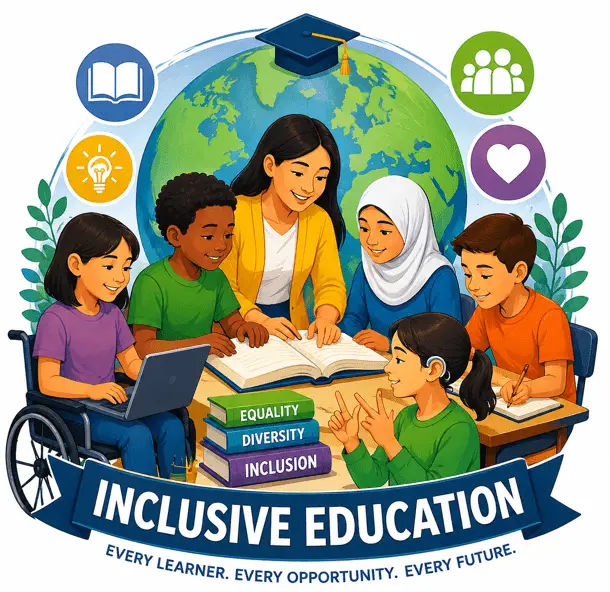
Colourful illustration promoting inclusive education, showing a teacher reading with a diverse group of children around a table. The group includes a child using a wheelchair, a child using sign language, and children from different cultural backgrounds. Books labelled "Equality", "Diversity", and "Inclusion" are displayed, with a globe and education-related icons in the background. The text reads: "Inclusive Education: Every Learner. Every Opportunity. Every Future."

Inclusive Education

Our current priority is promoting disability-inclusive STEM in Nigeria and designing solutions that promote quality of learning and accelerate the transition rate of people with disabilities from basic to tertiary education. In the past, through Dutch government funding, we supported ELIM Foundation to evaluate their inclusive education project in Benue State, their impact assessment, and recommended new disability-inclusive education models that could be localized and make an impact on the lives of children with disabilities. Some of these recommendations are adapted in the revised 2024 National Inclusive Education policy in Nigeria.

Gender-based Violence

We are committed to ending all forms of gender-based violence against women with disabilities. With funding from the Ford Foundation, we conducted nationwide research to understand the drivers of violence against women with disabilities. We are using this data to engage stakeholders and design solutions to address the challenges, particularly intimate partner, tech-based, sexual, and physical-based violence

Awareness poster against gender-based violence. The poster shows a distressed woman with visible injuries, another woman holding up her hand with the words "No More," and silhouettes depicting violence and a victim. Prominent text reads "Stop Gender-Based Violence," with additional messages "End the Violence" and "Speak Out."

Disability accessibility

Accessibility of physical and digital infrastructures is key to driving meaningful participation of people with disabilities in society. We technically contributed to the development of the National Accessibility Regulations for physically built infrastructure in Nigeria, and we are committed to ensuring similar regulations are available for digital infrastructure. We have conducted accessibility audits for several organisations in the private and public sector.

Woman in a green shirt speaks into a microphone at an event while a sign language interpreter sits beside her. Both are seated on a stage in front of an event backdrop featuring programme information.
Illustration of people engaged in farming, business, digital work and entrepreneurship, representing economic inclusion and sustainable livelihoods

Economic inclusion

With funding from the Disability Rights Fund, we gathered data on how to make the financial and procurement system inclusive of people with disabilities in Nigeria. The Central Bank of Nigeria had adopted one of our recommendations in its directives to financial service providers on the deployment of automated teller machines and debit cards. Our commitment to reducing inequality and promoting economic opportunities is much pronounced in our program strategy.

Colourful illustration promoting inclusive education, showing a teacher reading with a diverse group of children around a table. The group includes a child using a wheelchair, a child using sign language, and children from different cultural backgrounds. Books labelled "Equality", "Diversity", and "Inclusion" are displayed, with a globe and education-related icons in the background. The text reads: "Inclusive Education: Every Learner. Every Opportunity. Every Future."

Inclusive Education

Our current priority is promoting disability-inclusive STEM in Nigeria and designing solutions that promote quality of learning and accelerate the transition rate of people with disabilities from basic to tertiary education. In the past, through Dutch government funding, we supported ELIM Foundation to evaluate their inclusive education project in Benue State, their impact assessment, and recommended new disability-inclusive education models that could be localized and make an impact on the lives of children with disabilities. Some of these recommendations are adapted in the revised 2024 National Inclusive Education policy in Nigeria.

What Drives Us

incusion, equality, and the belief that disability should never limit opportunity.

  • Our Mission

    Our mission is to strengthen economic, social, and institutional systems that enable Persons with Disabilities, especially women and youth, to participate meaningfully, lead, and prosper, leveraging evidence and innovation

  • Our Vision

    We envision a world where disability is not a barrier.

  • Our Team

    Our strength lies in our people - a dedicated team driven by compassion, innovation, and a vision of a truly inclusive society where everyone belongs.
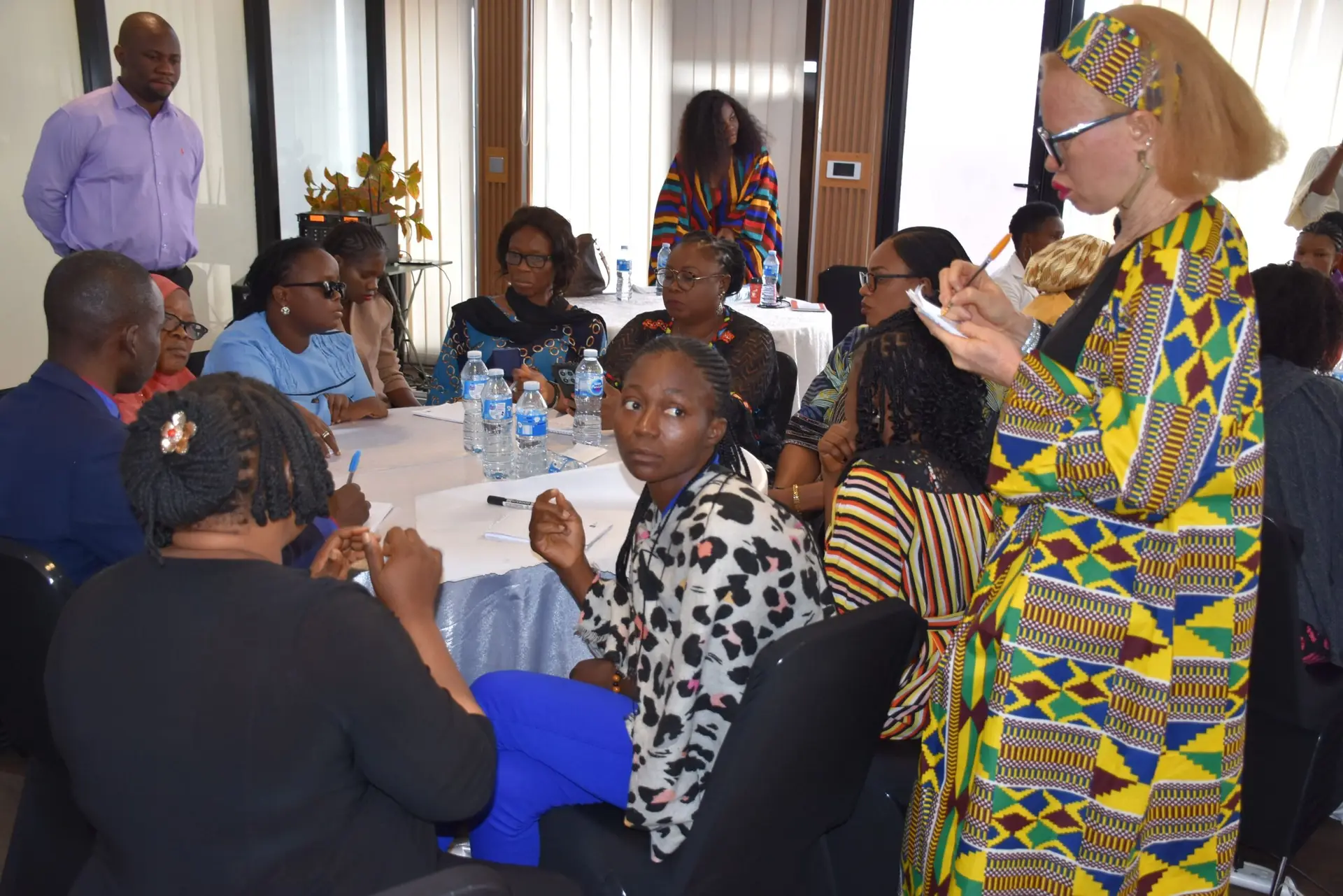
Participants engage in a breakout session at a disability inclusion workshop, sharing ideas and taking notes during a group discussion.
0
Interventions
0
Scholarships
0
Workshops
0
Volunteers
Scroll to Top