

What We Do
Through interconnected themes, we aim to create solutions that foster equality and sustainability for all individuals with disabilities.
CID's Thematic Areas
Our programmatic activities integrate key cross-cutting themes to ensure comprehensive and intersectional impact:
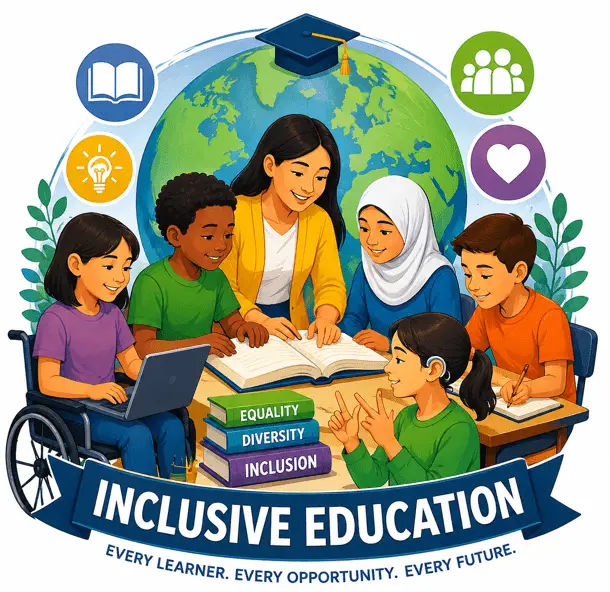
Inclusive Education
CID builds capacity for inclusive education systems, inclusive STEM and digital skills, education technology, education-to-work transitions, and youth leadership development.
Gender-based Violence
We are committed to ending all forms of gender-based violence against women with disabilities. With funding from the Ford Foundation, we conducted nationwide research to understand the drivers of violence against women with disabilities. We are using this data to engage stakeholders and design solutions to address the challenges, particularly intimate partner, tech-based, sexual, and physical-based violence
Disability accessibility
Accessibility of physical and digital infrastructures is key to driving meaningful participation of people with disabilities in society. We technically contributed to the development of the National Accessibility Regulations for physically built infrastructure in Nigeria, and we are committed to ensuring similar regulations are available for digital infrastructure. We have conducted accessibility audits for several organisations in the private and public sector.
Economic inclusion
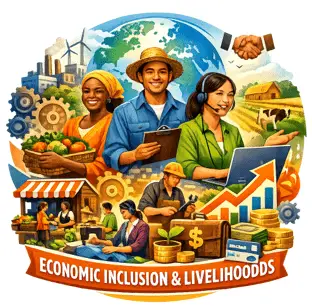
With funding from the Disability Rights Fund, we gathered data on how to make the financial and procurement system inclusive of people with disabilities in Nigeria. The Central Bank of Nigeria had adopted one of our recommendations in its directives to financial service providers on the deployment of automated teller machines and debit cards. Our commitment to reducing inequality and promoting economic opportunities is much pronounced in our program strategy.
Inclusive Education
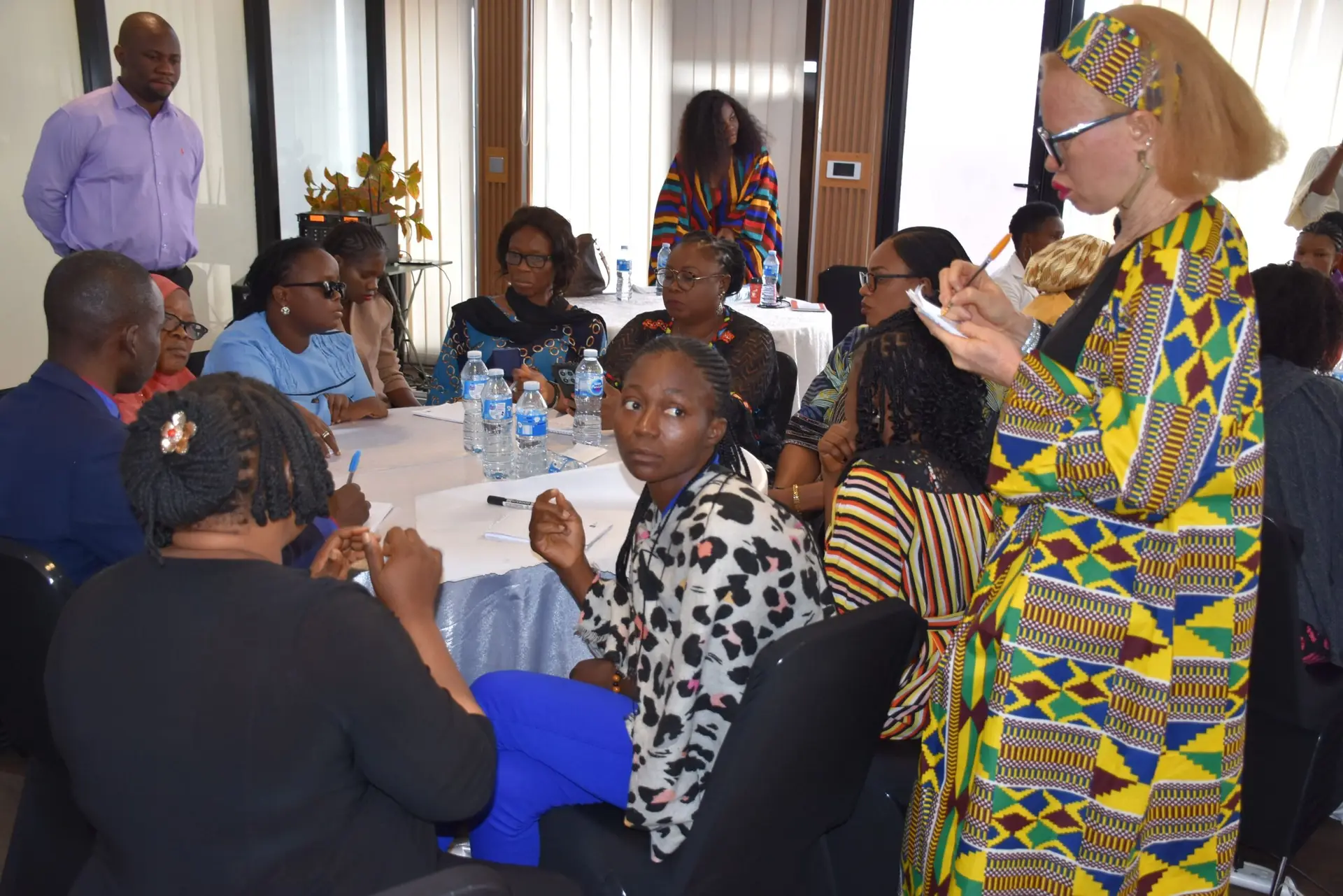
Our current priority is promoting disability-inclusive STEM in Nigeria and designing solutions that promote quality of learning and accelerate the transition rate of people with disabilities from basic to tertiary education. In the past, through Dutch government funding, we supported ELIM Foundation to evaluate their inclusive education project in Benue State, their impact assessment, and recommended new disability-inclusive education models that could be localized and make an impact on the lives of children with disabilities. Some of these recommendations are adapted in the revised 2024 National Inclusive Education policy in Nigeria.
Gender-based Violence
We are committed to ending all forms of gender-based violence against women with disabilities. With funding from the Ford Foundation, we conducted nationwide research to understand the drivers of violence against women with disabilities. We are using this data to engage stakeholders and design solutions to address the challenges, particularly intimate partner, tech-based, sexual, and physical-based violence
Disability accessibility
Accessibility of physical and digital infrastructures is key to driving meaningful participation of people with disabilities in society. We technically contributed to the development of the National Accessibility Regulations for physically built infrastructure in Nigeria, and we are committed to ensuring similar regulations are available for digital infrastructure. We have conducted accessibility audits for several organisations in the private and public sector.
Economic inclusion
With funding from the Disability Rights Fund, we gathered data on how to make the financial and procurement system inclusive of people with disabilities in Nigeria. The Central Bank of Nigeria had adopted one of our recommendations in its directives to financial service providers on the deployment of automated teller machines and debit cards. Our commitment to reducing inequality and promoting economic opportunities is much pronounced in our program strategy.
Inclusive Education
Our current priority is promoting disability-inclusive STEM in Nigeria and designing solutions that promote quality of learning and accelerate the transition rate of people with disabilities from basic to tertiary education. In the past, through Dutch government funding, we supported ELIM Foundation to evaluate their inclusive education project in Benue State, their impact assessment, and recommended new disability-inclusive education models that could be localized and make an impact on the lives of children with disabilities. Some of these recommendations are adapted in the revised 2024 National Inclusive Education policy in Nigeria.
What Drives Us
incusion, equality, and the belief that disability should never limit opportunity.
-
Our Mission
Our mission is to strengthen economic, social, and institutional systems that enable Persons with Disabilities, especially women and youth, to participate meaningfully, lead, and prosper, leveraging evidence and innovation
-
Our Vision
We envision a world where disability is not a barrier.
-
Our Team
Our strength lies in our people - a dedicated team driven by compassion, innovation, and a vision of a truly inclusive society where everyone belongs.